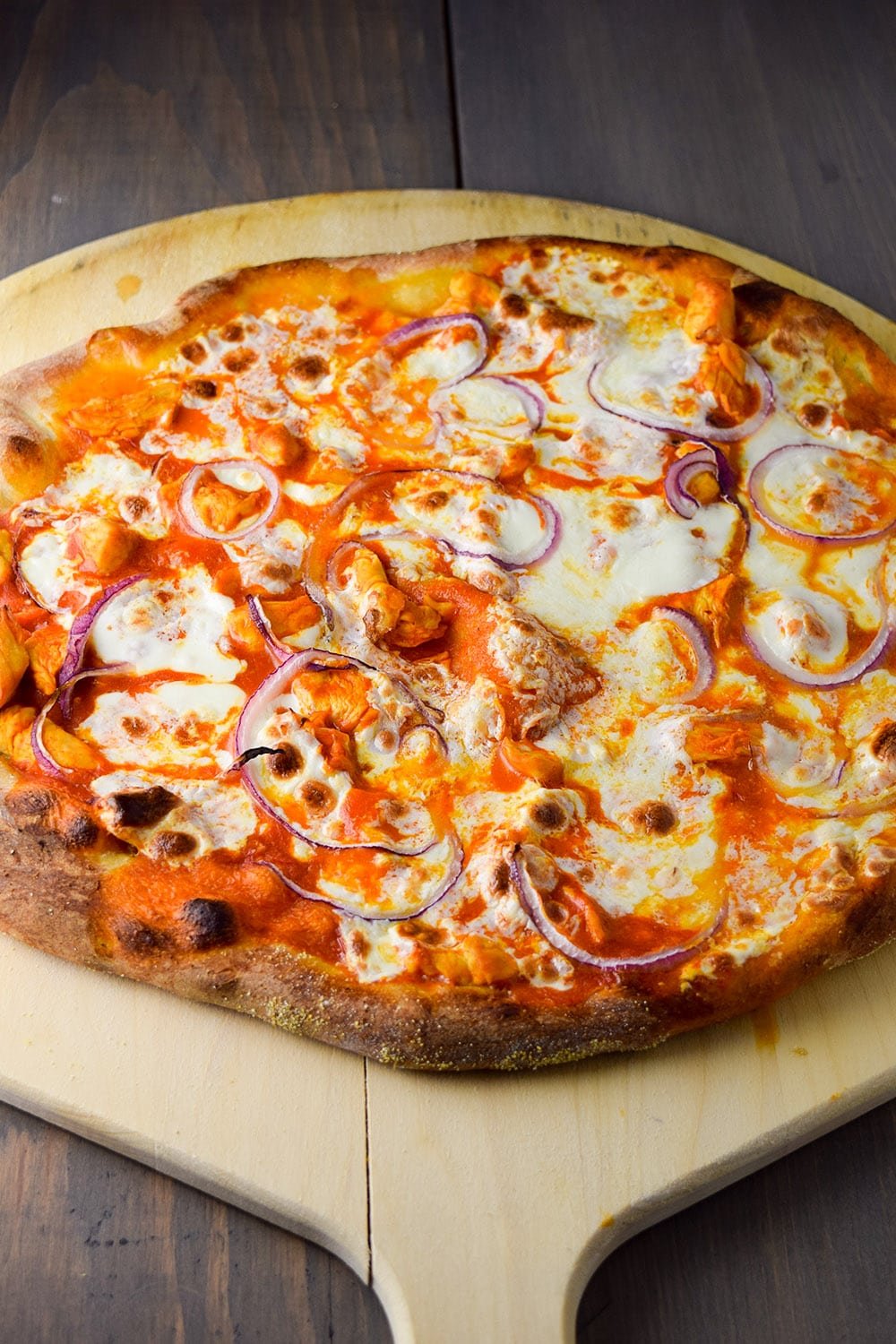
Pizza. It’s a word that conjures a thousand images: thin-crust Neapolitan, foldable New York slices, even a freezer-aisle convenience. But for those ready to delve into a world of rich, robust, and undeniably substantial pies, the real adventure begins with Pizza Style Deep Dives into the diverse realm of deep-dish creations. This isn't just about thickness; it's about history, engineering, and cultural pride baked into every glorious bite. Forget everything you thought you knew about pizza as a mere snack; deep-dish is a meal, an event, a culinary marvel that has captivated taste buds across America and beyond.
At a Glance: Diving Deep into Pizza Styles
- More Than Just Thick: Deep-dish isn't a single style but a family of unique pan-baked pizzas with distinct crusts, layering, and origins.
- Chicago's Contribution: Understand the foundational differences between classic Chicago Deep Dish, "The Quod," and Stuffed Deep Dish.
- Beyond the Windy City: Explore rectangular powerhouses like Detroit-style and the comforting simplicity of Grandma Pizza.
- Ancient Roots: Discover how Sicilian Sfincione and Italian Focaccia laid the groundwork for modern deep-dish.
- The Science of the Bake: Learn why specific layering, pan types, and dough formulations create signature textures and flavors.
- Mastering at Home: Gain insights into how you can replicate these robust pies in your own kitchen, no matter your favorite style.
A Slice of History: How Pizza Got Deep
Before we plunge into the depths, it’s worth noting that pizza, in its most rudimentary form, has been around for millennia, with mentions dating back to 1000 AD. It journeyed to the U.S. in 1905, making its debut with Lombardi's in New York City, and from there, it truly began to evolve regionally. Americans, with their penchant for innovation and hearty portions, quickly adapted the concept, giving rise to an astonishing array of styles, many of which gravitated towards the substantial. This is where the narrative of deep-dish truly begins, branching out from its thin-crust ancestors to embrace new forms and functions.
The Original Heavyweight: Chicago-Style Deep Dish
When most people hear "deep dish," their minds immediately travel to the Windy City. The Chicago-style Deep Dish is more than just a pizza; it's an institution, a culinary landmark that emerged in the 1940s. Its creation at Pizzeria Uno, credited to Ike Sewell, Ric Riccardo, and cook Alice Mae Redmond, was a deliberate departure from traditional Italian pizza, drawing inspiration instead from savory pies.
Noel Brohner, a revered pizza consultant and instructor, often highlights how this style is a distinct offshoot of ancient Sicilian sfincione, but with a distinctly American twist. Baked in round, 2-inch-high metal pans, the crust stands at least 1.5 inches tall – a veritable rampart of flavor. The dough itself is a marvel: yeast-leavened, fat-enriched, with a moist, almost Play-Doh-like texture and a characteristic yellow hue, often from cornmeal or corn oil. It’s pressed firmly into the pan, forming a robust foundation.
The classic layering is a carefully orchestrated inversion: first cheese, then toppings like bulk sausage, mushrooms, and onions, and finally, a chunky, unblended tomato sauce spread generously on top. This "sauce on top" technique is crucial, preventing the cheese from overcooking during the extended 3+ hour bake time. It's a pizza designed for a fork and knife, a leisurely meal rather than a quick grab-and-go. Interestingly, despite its fame, Chicago's locals often favor tavern-style pizza for everyday enjoyment. If you're looking for where to find authentic Chicago deep dish in NYC, prepare for a generous, satisfying experience.
"The Quod": Chicago's Caramelized Cousin
Within the Chicago deep-dish family, "The Quod" stands out as a beloved sub-variation, invented in 1971 by Burt Katz and famously served at Pequod's Pizza. This style maintains the foundational deep-dish structure but elevates it with a signature touch: the "frico" technique. This involves caramelizing cheese around the pan's edges, creating a crispy, savory crown that adds incredible depth of flavor and texture. Its crust is often described as cottony, akin to white bread, making for a uniquely tender interior contrasting with that glorious, crispy cheese perimeter.
Stuffed Deep Dish: The Double-Crust Wonder
Evolving in the 1970s, the Stuffed Deep Dish pizza was brought to life by Giordano's founders, Efren and Joseph Boglio. This style takes the "deep" concept to another level by enclosing the fillings within two layers of dough. A thinner "dough lid" tops the ingredients, then gets covered with additional tomato sauce.
This results in an incredibly dense pie with a higher crust, requiring even deeper round metal pans (typically 2-2.5 inches high). The crust tends to have less buttery crispiness and more of a soft, enriched bread texture, with variations in salt and fat content subtly altering its flavor and color. The layering sequence is key: bottom crust, then ingredients, mozzarella, the second crust top layer, and finally, the tomato sauce. The steam generated during baking creates a unique gel-like consistency in the top layer, making the fillings often wetter and more sauced. It's a truly substantial pizza, perfect for dinners or larger gatherings where generosity is the main ingredient.
The Rectangular Revolution: Pan Pizzas with Serious Depth
While Chicago dominates the deep-dish conversation, other regions have developed their own distinctive pan-baked styles that offer different takes on thickness, texture, and flavor. These often come in rectangular or square forms, distinguishing them visually and texturally from their round Chicago counterparts.
Detroit-Style Pizza: The Blue Steel Marvel
Emerging from Buddy's Rendezvous in 1946, Detroit-style pizza is a testament to resourceful innovation. Its rectangular shape and signature crunchy consistency are thanks to the blue steel pans—originally used by auto mechanics for tools or as drip trays. These heavy-duty pans impart a unique char and crispness to the crust that is instantly recognizable.
The dough itself is light, airy, and typically medium-to-high hydration, pressed (never stretched) into an generously oiled pan to achieve that coveted crispy, golden bottom crust. Like Pequod's, Detroit-style is famous for its "frico" crown, achieved by layering cheese—often Wisconsin brick cheese—edge-to-edge. This cheese melts down the sides, caramelizing against the hot pan to form a crunchy, savory exterior. Uniquely, the sauce is applied after baking, in distinctive stripes or dollops, to prevent sogginess and highlight the incredible crust. It’s a pizza that blurs the line between fork-and-knife and handheld delight.
Grandma Pizza: Long Island's Homestyle Comfort
Heading to Long Island, New York, we find the charmingly named Grandma Pizza. This pan-style pie, traditionally baked in rectangular sheet pans, is thicker than a regular slice but notably thinner than the behemoths of Chicago. It originated from grandmothers using a "whatever's on hand" approach, prioritizing speed and substance.
The dough, a standard pizza recipe, is simply pressed into the pan and layered with pantry staples: a blend of fresh tomatoes, garlic, herbs, olive oil, oregano, melty mozzarella, and often a final sprinkle of Parmesan or basil. It’s a pie that feels both rustic and refined, balancing a tender interior with a wonderfully crispy bottom. What started as a humble home creation has since become a chef-driven favorite, celebrated for its straightforward deliciousness. While seeking the best New York-style pizza slices in Midtown is a different quest, Grandma pizza offers a distinct, comforting New York pan experience.
New York Sicilian Pizza: The Immigrant Evolution
An evolution of the Sicilian sfincione, the New York Sicilian Pizza arrived with Sicilian immigrants, adapting its rectangular/square shape and thick, chewy-on-the-inside, crispy-on-the-bottom crust. However, its dough is closer to classic New York pizza, often fermented longer, and par-baking is a common step.
Unlike its more minimalist ancestor, New York Sicilian is usually served hot, loaded with more toppings, cheese (typically low-moisture mozzarella), and crushed tomatoes, often seasoned with oregano or Parmigiano. Variations with pepperoni, anchovies, onions, fresh mozzarella, or basil are popular, transforming it into a hearty, comforting meal. For Sicilian Americans, it's a deeply nostalgic comfort food, a familiar taste of home adapted to a new world. This style certainly offers a different experience compared to authentic Neapolitan pizza in Manhattan, highlighting the incredible diversity within New York's pizza landscape.
The Ancestral Foundations: Where Deep Dish Began
To truly appreciate modern deep-dish, we must look to its ancient predecessors, styles that embraced a bready, substantial character long before Pizzeria Uno existed.
Sicilian Sfincione: The Sponge of Sicily
Dating back to 17th-century Sicily, the Sfincione was first crafted by nuns in Palermo for Christmas and New Year's Eve. Its name, derived from "spongia" (sponge), perfectly describes its super absorbent, focaccia-like dough. Heavily olive-oiled for flavor and crispness, this minimalist pie offers an airy crumb. It’s sometimes baked twice to achieve its desired texture.
Traditional toppings include a simple onion-tomato sauce with anchovy, oregano-seasoned breadcrumbs, and sometimes sharp cheese. Considered a direct predecessor to modern deep dish, it’s more bready and tangier than Chicago-style, served in rectangular portions, often warm or at room temperature. It’s a profound reminder that the idea of a thick, substantial pizza is anything but new.
Italian Focaccia: The Hearth's Ancient Offering
Long before pizza as we know it, there was focaccia. Dating back to the Age of Antiquity, its name comes from "focus" (hearth), indicating its ancient origins as a simple flatbread baked over coals. This olive oil-enriched flatbread, with its spongy interior and crispy crust, evolved into countless regional iterations across Italy.
Traditional focaccia is typically topped with flake salt, herbs, onions, olives, cherry tomatoes, or garlic, often pressed directly into the dough. While primarily considered a rustic bread served as a side, in a bread basket, or as sandwich bread, its customizable nature and ability to carry substantial toppings mean that heavily adorned focaccia can absolutely be considered a delightful deep-dish variant.
Roman Pizza al Taglio: Pizza by the Cut
Meaning "pizza by the cut," Roman Pizza al Taglio is a bakery-born style that marries ancient tradition with modern technique. It features a high-hydration dough fermented for several days, then baked in generously oiled rectangular pans. Bakers often flip it midway through baking to ensure a crispy exterior and a remarkably light, airy interior.
This style is highly customizable, with the focus often on the bread and crumb texture itself. Slices typically showcase two to four high-quality ingredients. It’s distinctively sold by weight rather than uniform slices, displayed behind glass, and cut to order with scissors—ideal for on-the-go dining or sampling multiple flavor combinations. While often less "deep" than a Chicago pie, its pan-baked, substantial nature, and emphasis on bread quality place it firmly in the broader family of thick-crust delights.
Deconstructing the Deep: What Makes These Styles Stand Out?
Understanding deep-dish creations goes beyond just their thickness. It’s about the deliberate choices that shape their character:
- Dough Chemistry: From Chicago's fat-enriched, cornmeal-tinged crust to Detroit's high-hydration, airy crumb, the dough recipe is paramount. It dictates chew, crispness, and how well it stands up to heavy fillings.
- The Pan's Role: Whether it's a 2-inch round deep-dish pan, a rectangular blue steel auto tray, or a standard sheet pan, the vessel is crucial. It defines shape, supports the structure, and, as with Detroit's blue steel, can directly contribute to crust texture and caramelization (frico).
- Layering Logic: The order of ingredients is often a deliberate act of engineering. Chicago's sauce-on-top protects cheese, while Stuffed Deep Dish's second crust creates a unique, dense interior. Detroit's post-bake sauce application ensures a crisp base.
- Baking Time and Temperature: The sheer volume of ingredients in deep-dish demands longer, often lower-temperature bakes compared to thin-crust pizzas. Patience is a virtue, ensuring everything cooks through without burning.
- Topping Philosophy: While any deep dish can have any topping, many styles have traditional leanings. Chicago loves bulk sausage, Detroit embraces Wisconsin brick cheese and pepperoni, and Grandma pizza keeps it simple and fresh.
Crafting Your Own Deep-Dish Masterpiece at Home
The beauty of deep-dish pizza is that many of these styles are wonderfully achievable in a home kitchen. While replicating the exact conditions of a 70-year-old pizzeria oven might be a stretch, the core principles are within reach.
- Invest in the Right Pan: A good quality, heavy-duty deep-dish pan (round or rectangular) is your best friend. Cast iron, anodized aluminum, or even a sturdy cake pan can work.
- Dough is Key: Experiment with different dough recipes. For a Chicago style, consider adding a bit of cornmeal or corn oil for that signature texture and hue. For Detroit, aim for a higher hydration and a gentler handling. Don't rush the rise; patience yields flavor.
- Master the Layering: Pay close attention to the traditional layering for your chosen style. This isn't just aesthetic; it’s about ensuring even cooking and preventing a soggy mess.
- Sauce Matters: For Chicago-style, a robust, chunky crushed tomato sauce on top is ideal. For Detroit, a slightly sweeter, thinner sauce added post-bake is traditional.
- Cheese Selection: High-quality, low-moisture mozzarella is a staple, but don't shy away from experimenting with brick cheese for Detroit, or a blend of four cheeses for a more complex profile.
- Patience, Young Grasshopper: Deep dish takes time. Preheat your oven thoroughly (often 425°F is a good starting point), and be prepared for a longer bake (25-30 minutes for many home recipes). Don't cut into it immediately; a 5-10 minute rest allows the cheese to set and prevents a molten avalanche.
From classic sausage and mushroom, to vibrant veggie supremes, or even adventurous BBQ chicken, there’s a world of deep-dish recipes waiting to be explored. The practical steps for preparing various recipes generally involve mixing dough, allowing it to rise, pressing it into a greased pan, layering ingredients, and baking until golden and bubbly.
Deep-Dish Dilemmas: Common Questions & Misconceptions
- "Is deep dish even pizza?" Absolutely! While a departure from its thin-crust cousins, deep dish embodies the spirit of pizza: a bread base with toppings, baked. Its evolution is a testament to pizza's versatility.
- "Why is Chicago deep dish so big?" It’s designed as a substantial meal, a hearty pie. A single slice can be incredibly filling, making it perfect for sharing or a truly satisfying individual portion.
- "Fork and knife or hands?" For truly deep and stuffed varieties, a fork and knife are almost a necessity due to the sheer volume of toppings and molten cheese. However, styles like Detroit or Grandma pizza can often be handled by hand.
- "Does it take forever to cook?" Yes, comparatively. The thicker crust and abundant fillings require longer bake times to ensure everything cooks through evenly. This is part of its charm – it’s a meal to be anticipated.
The Enduring Appeal of Deep-Dish: A Culinary Journey
From the ancient, humble sfincione to the towering, cheese-edged creations of modern America, Pizza Style Deep Dives reveal a rich tapestry of culinary history and innovation. These pies offer more than just sustenance; they provide comfort, a sense of regional pride, and a unique textural experience that sets them apart from the global pizza pantheon.
Whether you're planning a trip to Chicago to experience the original, exploring the crispy edges of Detroit, or recreating the simple elegance of a Grandma pie in your own kitchen, there's a deep-dish style for every palate and occasion. So, gather your ingredients, preheat your oven, and prepare to embark on your own delicious journey into the heart of deep-dish pizza. It's an exploration well worth taking, one glorious, substantial bite at a time.