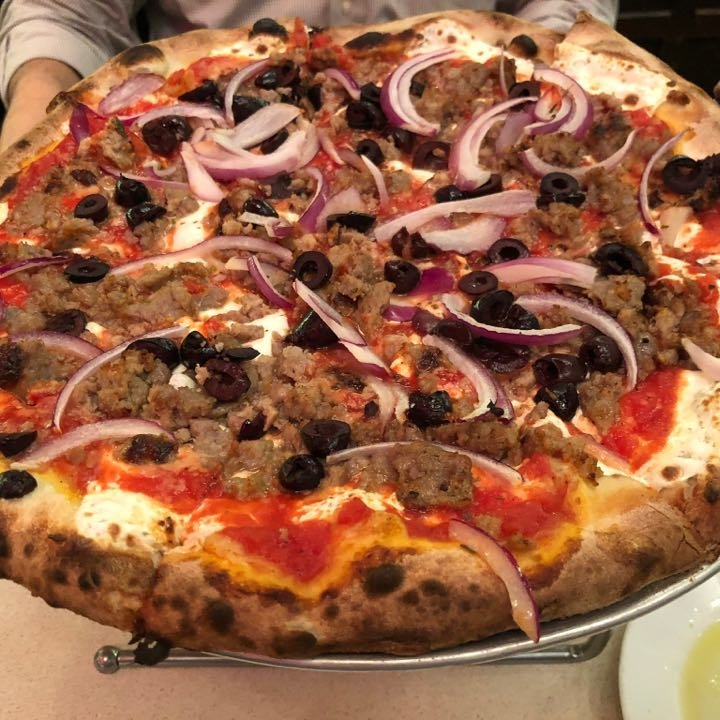
Manhattan's culinary landscape is a vibrant tapestry, but few threads are as deeply woven into its fabric as its legendary coal oven pizza establishments. These aren't just restaurants; they're time capsules, guardians of a particular craft that delivers a pizza experience utterly distinct from any other. For those who believe pizza is more than just food—it's history, artistry, and an indelible part of the city's soul—seeking out these coal-fired bastions is an essential pilgrimage.
At a Glance: Your Guide to Manhattan's Coal Oven Gems
- Understand the Craft: Learn why coal ovens create a unique crust, char, and flavor profile unmatched by other methods.
- Meet the Pioneers: Discover the historic Manhattan pizzerias that set the standard for American pizza.
- Navigate "No Slice" Culture: Prepare for the traditional full-pie experience at several key establishments.
- Plan Your Visit: Get practical tips on hours, atmosphere, and what to expect at these iconic spots.
- Taste the Timeless: Distinguish the subtle differences between each legendary coal oven experience.
The Enduring Legacy of Manhattan's Coal-Fired Ovens
New York City rightfully claims its title as the nation's pizza capital, with the modern pizza narrative beginning here in the early 1900s. Before it became the ubiquitous slice shop staple, pizza was a more specialized affair, often emerging from bakeries. The true genesis of what we recognize as pizza today is largely credited to Gennaro Lombardi, whose namesake establishment in Little Italy first started serving full pies.
This era of pizza birth coincided with the prevalence of coal-fired ovens. These massive, brick-lined behemoths reached temperatures far exceeding conventional gas or wood-fired ovens, typically soaring above 800-1000°F. This intense, dry heat is the secret ingredient, creating a distinctive crust that is simultaneously crisp, airy, and imbued with a signature smoky char. It's a labor-intensive method, demanding skilled pizzaiolos who understand how to harness the oven's power without incinerating the delicate dough. This traditional approach shaped the very definition of New York-style pizza, and its legacy lives on in a handful of revered Manhattan institutions.
Navigating the Classics: A Deep Dive into Manhattan's Coal Oven Legends
While the city's pizza scene has diversified into Neapolitan, Sicilian, and countless New York-style variations, the coal oven pizza remains a testament to tradition. To truly appreciate this craft, you need to know where to go and what makes each spot special.
Lombardi's: The Genesis of American Pizza
Tucked away in Little Italy, Lombardi's isn't just a pizzeria; it's the pizzeria. Established around the early 1900s, it's widely recognized as the first licensed pizzeria in the United States. While the ground truth provided doesn't detail its current menu, its historical significance as the progenitor of American pizza—and specifically, coal-fired pizza—is undeniable. A visit here is a step back in time, connecting you directly to the roots of a culinary phenomenon. It embodies the essence of "legendary coal oven pizza establishments Manhattan" through its very existence.
Think of Lombardi's as the cornerstone. It set the stage for all the pizzerias that followed, many of which were founded by its own disciples. The mere act of dining where American pizza began is an experience in itself, a connection to a culinary lineage that spans over a century.
John's of Bleecker Street: A Purist's Paradise
Established in 1929 in the West Village, John's of Bleecker Street stands as one of Manhattan's oldest continually operating pizza establishments. It carries the torch of the coal-fired tradition with an almost uncompromising zeal, famously declaring "No slices" on its menu—you commit to a whole pie here. This rule isn't an arbitrary quirk; it's central to their philosophy, ensuring every pizza delivers the freshest, most consistent experience straight from the oven.
Their very thin, coal-oven-fired pizzas are topped judiciously with sauce and cheese, allowing the quality of the ingredients and the distinct crust to shine. Popular additions like sliced meatballs, ricotta, and ground sausage provide robust flavor without overwhelming the delicate balance. The interior exudes old-school charm, making you feel as though you've stumbled into a neighborhood secret that everyone, somehow, already knows. It’s an essential stop for anyone wanting to understand the traditional New York pizza experience.
Arturo's Coal Oven Pizza: Village Vibes and Timeless Pies
Since 1957, Arturo’s Coal Oven Pizza has been a cherished institution in Downtown Manhattan's Greenwich Village. Located at 106 W Houston St, it offers a distinct atmosphere from its older counterparts. While sharing the commitment to coal-fired authenticity, Arturo's infuses a more relaxed, bohemian vibe, often featuring live jazz music in the evenings. This creates a dining experience that's as much about the ambiance as it is about the outstanding pizza.
Arturo's specializes in hand-tossed, coal-fired pizzas, known for their unique smoky flavor and perfectly crisp crust. The menu features classic Margherita, alongside specialty pies loaded with toppings like sausage, mushrooms, and peppers. Beyond pizza, they also offer a selection of Italian-American pasta, salads, and appetizers. Notably, Arturo's operates until 5:00 PM daily, making it an ideal spot for an early dinner or a late lunch. The rustic interior, vintage decor, and dim lighting add to its timeless charm, cementing its place among the legendary coal oven pizza establishments Manhattan visitors flock to.
Denino’s Greenwich Village: Staten Island's Heirloom in Manhattan
Denino’s Pizzeria & Tavern holds a storied history, originating as a dockworker’s hangout on Staten Island in 1937. Its reputation for quality coal-oven pizza grew over decades, leading to an expansion into Greenwich Village in 2016. This Manhattan outpost brings the beloved Staten Island tradition to a wider audience, allowing diners to experience a taste of Denino's legacy without crossing the ferry.
While newer to Manhattan, Denino's carries the weight of its long history and expertise in coal-fired pizza. It’s an excellent example of how venerable institutions adapt and thrive, sharing their unique culinary heritage. Expect the same commitment to crisp, flavorful pies that made its original location famous, now available in the heart of one of Manhattan's most vibrant neighborhoods.
The Coal Oven Difference: What Sets These Pizzas Apart
Why do dedicated pizza connoisseurs seek out these specific establishments? It boils down to the unique physics and craft of the coal oven.
- Unparalleled Heat: Coal ovens reach sustained temperatures of 800-1000°F (or higher), far hotter than typical ovens. This intense heat cooks a pizza in mere minutes, often under 5.
- The Maillard Reaction's Magic: At these extreme temperatures, the dough undergoes rapid caramelization and the Maillard reaction, developing a complex flavor profile that's impossible to achieve in a cooler oven.
- Distinct Crust: Expect a crust that is thin, airy, and exhibits a characteristic "leopard spot" char—small, blackened blisters that signify perfect cooking and contribute a slightly bitter, smoky counterpoint to the sweet sauce and salty cheese. It's crisp on the outside with a satisfying chew within.
- Smoky Flavor Profile: The lingering heat and occasional small embers impart a subtle smokiness to the pizza, adding depth and complexity to every bite. This isn't burnt; it's perfectly infused flavor.
- Ingredient Purity: Because the cooking is so fast and hot, there's nowhere for subpar ingredients to hide. These pizzerias rely on high-quality flour, fresh mozzarella, and robust tomato sauce to stand up to the intense heat.
These legendary coal oven pizza establishments in Manhattan are not just about serving food; they're preserving a specific, exquisite cooking method that has defined New York pizza for over a century.
Planning Your Legendary Coal Oven Pizza Pilgrimage
Visiting these historic pizzerias requires a bit of planning and an appreciation for tradition. They aren't your average slice shops.
Navigating the "No Slice" Mandate
John's of Bleecker Street is the most prominent example of a "no slices" policy. This means you order a whole pie, committing to a shared experience or a generous amount of leftovers. It's part of the tradition, designed to ensure you get the pizza as it's meant to be consumed: fresh out of the oven, its crust still singing. Don't go expecting a quick grab-and-go single slice; prepare for a sit-down meal.
Timing Your Visit
- Arturo's: Their 5:00 PM closing time makes it perfect for a late lunch or an early dinner. Consider visiting outside of peak lunch hours to avoid crowds, though the live jazz adds a special touch in the afternoons.
- John's and Lombardi's: Like many popular establishments, expect potential wait times during standard lunch and dinner rushes. Weekday afternoons or slightly off-peak hours can often provide a more relaxed experience.
- Denino's: As an established name with a Manhattan outpost, it too can draw crowds. Flexibility in your dining time is always a good strategy.
What to Order Beyond the Basics
While a classic Margherita is always a benchmark for judging any pizzeria, don't be afraid to venture out. John's offers excellent sliced meatballs or ricotta. Arturo's has various specialty pies. The beauty of a coal-oven pizza is its ability to handle robust toppings without becoming soggy. Consider what pairs well with that smoky, charred crust.
Embracing the Atmosphere
These places aren't sleek, modern eateries. They boast rustic interiors, vintage decor, and a tangible sense of history. Dim lighting, worn wooden tables, and bustling kitchens are part of the charm. At Arturo's, the live jazz adds a unique sensory layer. These are places to soak in the ambiance as much as the food.
For those planning to explore more than just New York's iconic pizza, remember that these experiences are just a taste of what's out there. You can Plan your ultimate pizza road trip. to discover other legendary spots across the country.
Quick Answers to Your Coal Oven Queries
Why do some legendary pizzerias in Manhattan not sell slices?
Many historic coal oven pizzerias, like John's of Bleecker Street, adhere to a "no slices" policy as a matter of tradition and quality. The intense heat of a coal oven produces a pizza best enjoyed fresh and whole. Slicing and reheating can compromise the delicate balance of crispness and chew that defines the coal-fired crust. It's about preserving the intended culinary experience.
Is the coal oven pizza in Manhattan really cooked with coal?
Yes, the "coal oven" designation means these establishments use actual anthracite coal as their primary fuel source. This is what differentiates them from wood-fired, gas-fired, or electric ovens. The specific type of coal and its burning characteristics are crucial for achieving the extremely high, dry heat and subtle smoky flavor.
What's the typical price range for a coal oven pizza in Manhattan?
Most legendary coal oven pizza establishments in Manhattan fall into the $$-$$$ price range, with some reaching $$$$. A whole pie can typically cost between $25-$40, depending on the size and toppings. While this might be higher than a typical slice shop, it reflects the quality of ingredients, the labor-intensive cooking method, and the historical value of the establishment.
How do I choose between Lombardi's, John's, and Arturo's?
Each offers a distinct experience:
- Lombardi's: Go for the historical significance. It's where American pizza began.
- John's of Bleecker Street: Choose this for the purist's experience—a very thin, consistently charred pie with no slices, embodying strict tradition.
- Arturo's Coal Oven Pizza: Ideal if you want a more relaxed atmosphere, live jazz, and a classic coal-fired pie for an early dinner or late lunch in Greenwich Village.
- Denino's Greenwich Village: A great option if you want to experience a revered Staten Island classic in a Manhattan setting.
Your choice might depend on your desired atmosphere, willingness to commit to a full pie, and the historical emphasis you seek.
Your Next Slice: Making the Most of Manhattan's Coal Oven Heritage
To truly appreciate the legendary coal oven pizza establishments in Manhattan, approach them not just as restaurants, but as living museums of a culinary art form. Each visit is an opportunity to connect with a specific lineage of pizza making that prioritizes intense heat, expert dough handling, and high-quality ingredients. Don't rush the experience; savor the smoky aroma, admire the leopard-spotted char on the crust, and taste the history in every bite.
When you decide which legendary spot to visit, consider the time of day, whether you're dining alone or with a group, and what kind of ambiance you prefer. If you're a purist, John's "no slices" rule might appeal. If history is your primary draw, Lombardi's is essential. For a more atmospheric and musical experience, Arturo's stands out. Regardless of your choice, you're not just eating pizza; you're participating in a timeless New York tradition that continues to charm and satisfy generations of pizza lovers.